Why Restaurant Floors Stay Sticky Even After Mopping
Sticky floors are a common frustration in restaurants, bars, and commercial kitchens. You can mop at the end of every shift and still come back the next day to floors that feel greasy, tacky, or simply aren't as clean as they should be.
The problem isn't always how often you're cleaning. Restaurant floors deal with grease, food residue, spills, heavy foot traffic, and cleaning product buildup that regular mopping may not fully remove.
If your restaurant floors stay sticky even after mopping, here's what could be causing the problem and when it may be time for a professional deep cleaning.
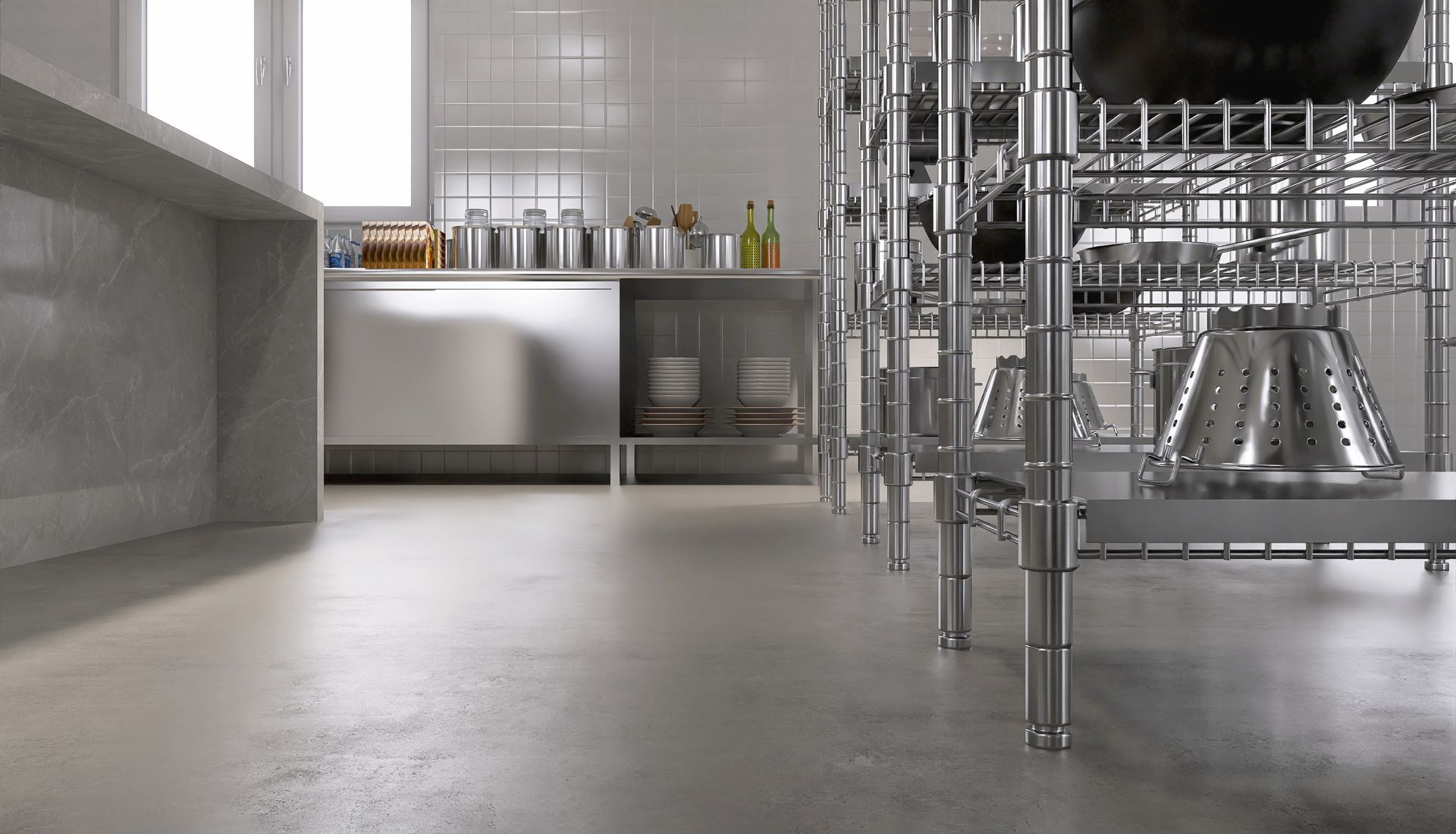
1. Grease Is Building Up on the Floor
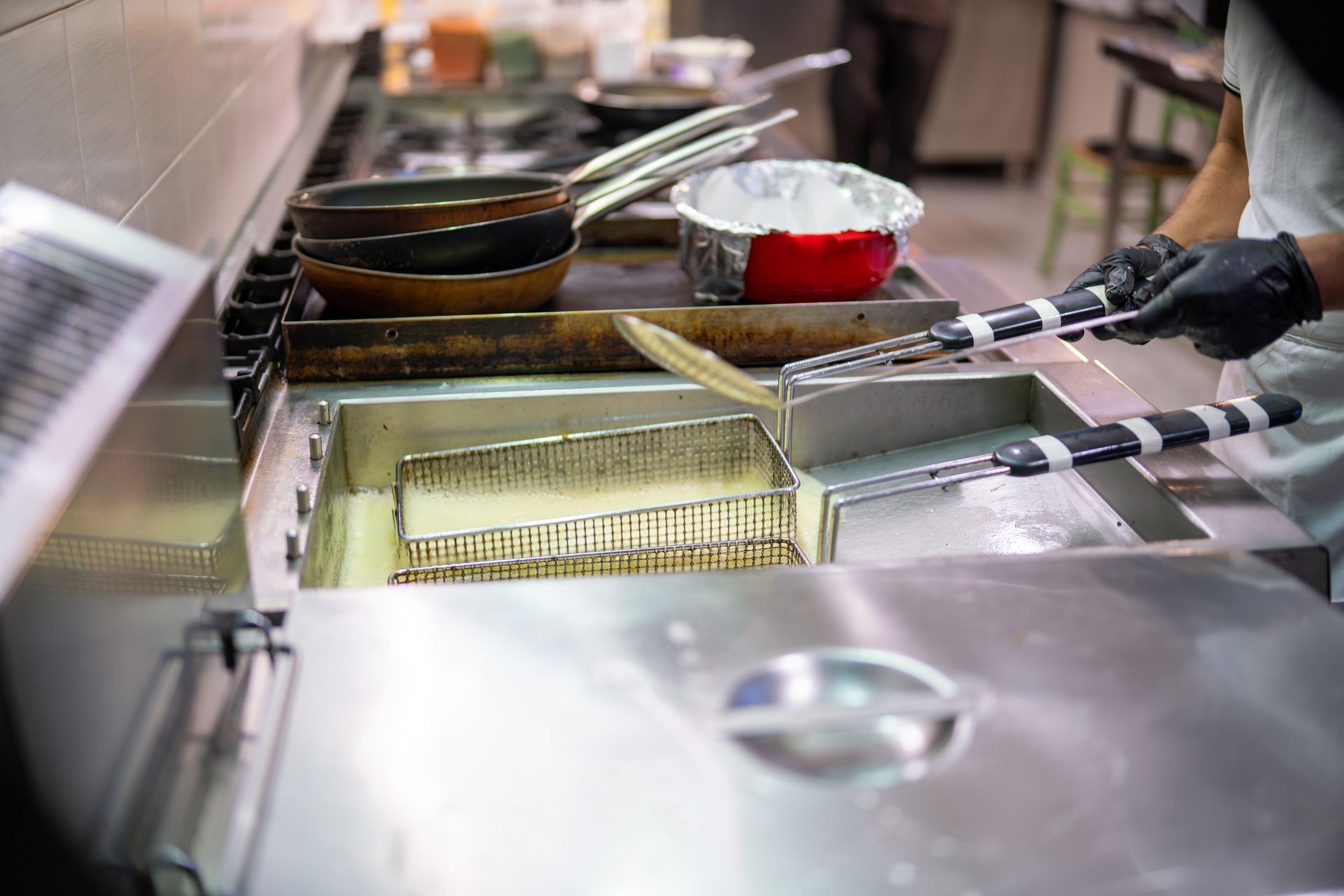
Grease is one of the biggest challenges when cleaning restaurant floors, especially in commercial kitchens.
Cooking oils and airborne grease can settle onto floors throughout the day. Employees can then track that residue from the kitchen into prep areas, hallways, dining rooms, and other parts of the restaurant.
A standard mop may spread some of that grease around instead of completely removing it. Over time, layers of residue can build up and leave the floor feeling sticky even immediately after cleaning.
2. Too Much Cleaning Product Is Being Used
More cleaning solution doesn't necessarily mean cleaner floors.
Using too much floor cleaner can leave behind a film after the water dries. That residue can create the sticky feeling you notice after mopping and may actually attract more dirt.
Following the proper dilution instructions for your cleaning products is important. If residue has already accumulated, routine mopping may not be enough to completely remove it.
3. The Mop Water Is Too Dirty
Restaurant floors can get extremely dirty over the course of a single shift.
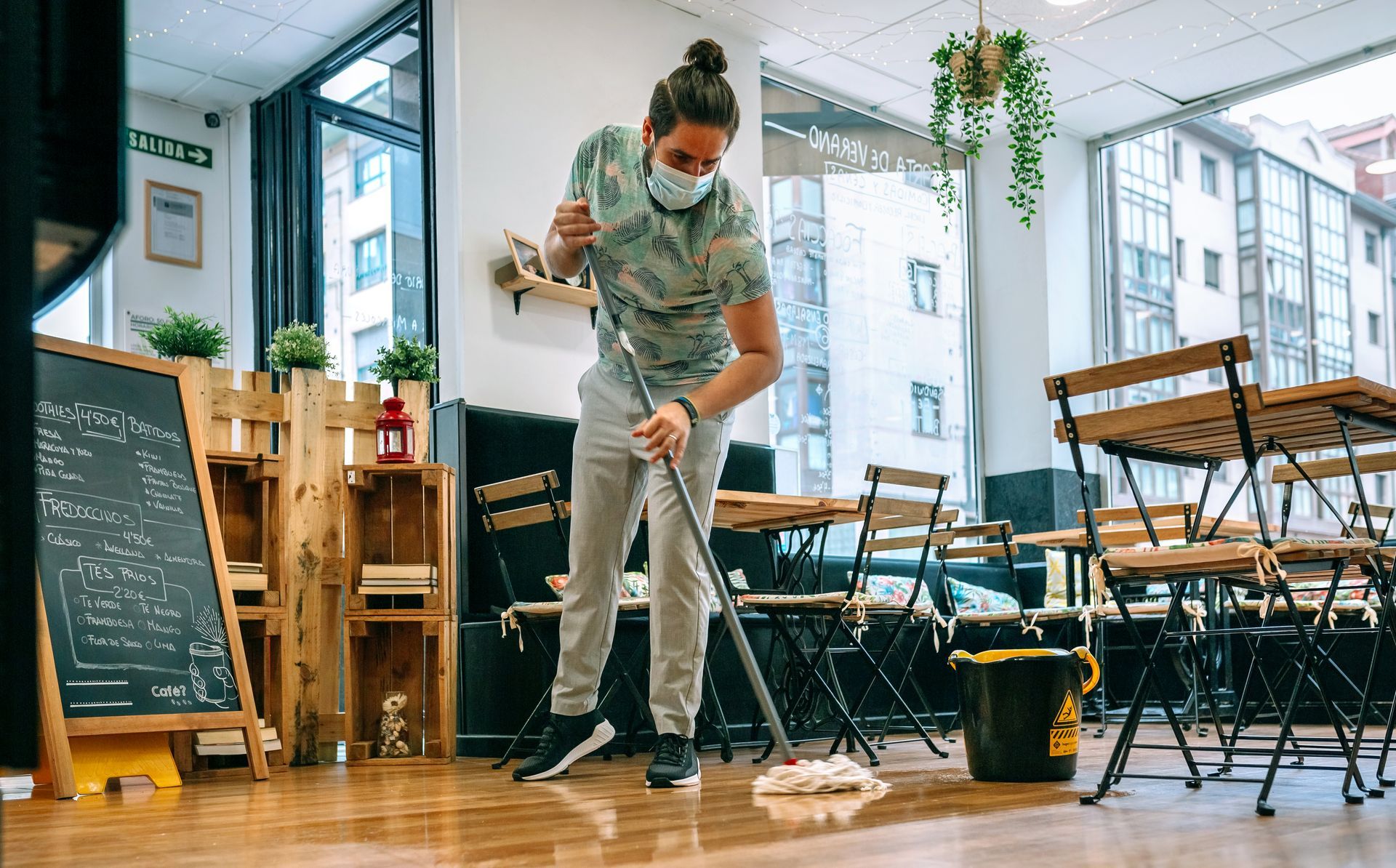
If the same bucket of mop water is used across a large area, it can quickly become filled with grease, food particles, dirt, and cleaning chemicals. Continuing to mop with dirty water can redistribute that material across the floor.
Changing mop water frequently and using clean equipment can make a significant difference in the results.
4. The Wrong Cleaner Is Being Used
Not every commercial floor cleaner is designed to handle restaurant grease.
A general-purpose cleaner may work well for everyday dirt but struggle with the oils and grease commonly found around fryers, grills, food preparation areas, and kitchen equipment.
It's also important to use products that are appropriate for the specific flooring material. The wrong product can leave residue, damage the finish, or make the floor more difficult to maintain over time.
5. Food and Drink Residue Is Still on the Floor
Restaurants experience constant spills.
Soda, syrups, sauces, juices, alcohol, and food residue can all leave behind sugars and other substances that become sticky as they dry.
This can be particularly noticeable in:
- Bar areas
- Beverage stations
- Server stations
- Under tables and booths
- Around kitchen equipment
- Near trash and dishwashing areas
If spills aren't completely removed, the floor may continue to feel sticky even after a quick mop.
6. Grout and Textured Flooring Are Holding Onto Buildup
Restaurant flooring is often designed to provide traction, especially in kitchens where wet or greasy surfaces can create safety concerns.
The downside is that textured flooring, tile, and grout can contain small crevices that trap grease and grime.
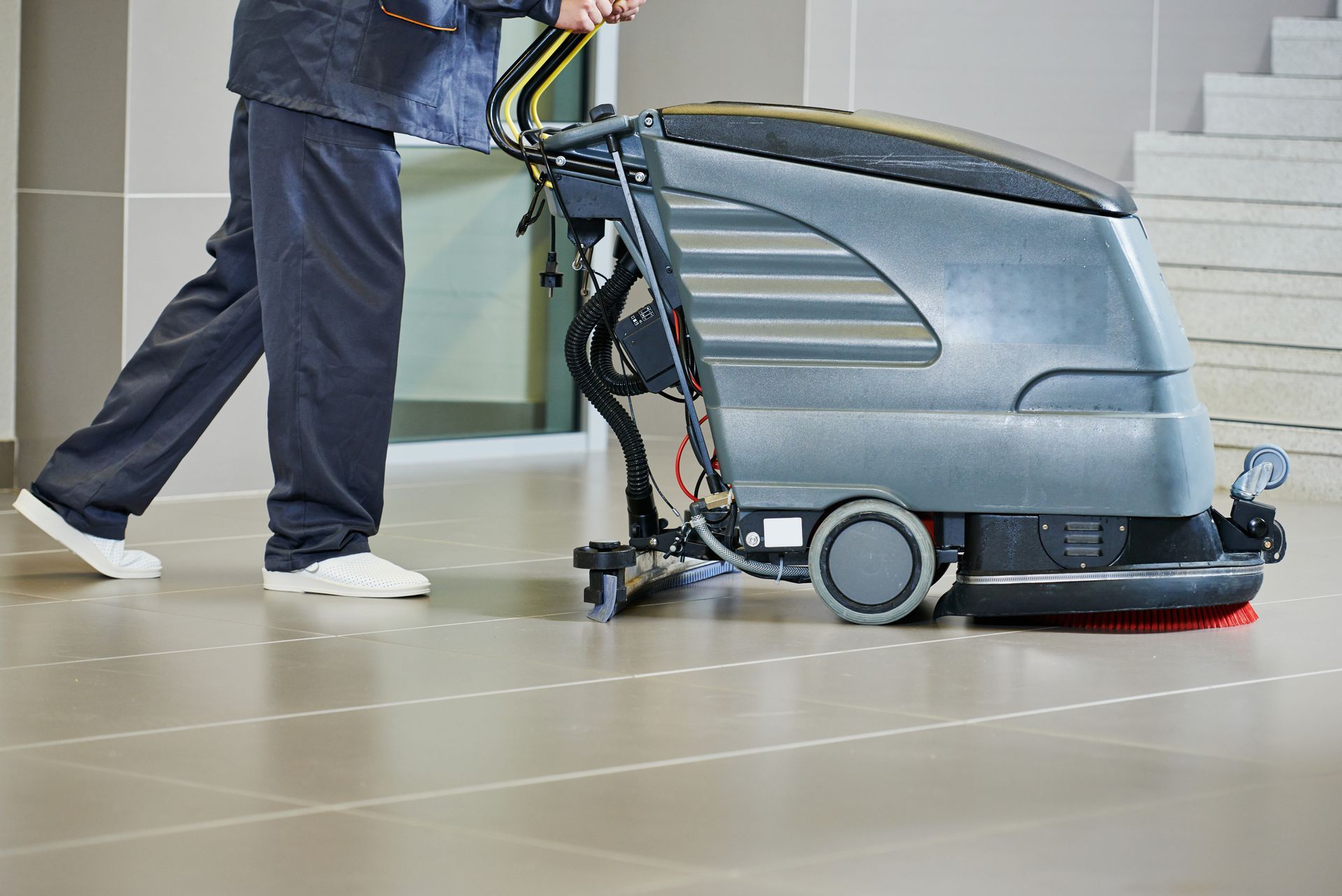
A mop passes over the top of the floor but may not reach buildup trapped deeper within the surface. Periodic deep cleaning can help remove residue that everyday cleaning methods leave behind.
7. Mops and Cleaning Equipment Need to Be Cleaned
Sometimes the floor isn't the real problem.
Old or improperly cleaned mop heads can hold onto grease, bacteria, food particles, and odors. Each time the mop is used, some of that material can be transferred back onto the floor.
Restaurant cleaning equipment should be cleaned and replaced regularly so you're not unintentionally spreading yesterday's mess around again.
Why Sticky Restaurant Floors Are More Than an Appearance Problem
Customers may never see the kitchen, but they will notice a sticky dining room or bathroom floor.
Floor cleanliness can influence how customers perceive the cleanliness of the entire restaurant. If the floor feels dirty under their shoes, they may start wondering about areas they can't see.
Buildup can also make restaurant floors more difficult to maintain and may contribute to slippery or uneven surfaces depending on the type of residue present.
Consistent floor care is an important part of maintaining a clean, professional environment for both customers and employees.
When Is It Time for Professional Restaurant Floor Cleaning?
Daily sweeping and mopping are essential, but they aren't always enough for a high-traffic restaurant.
If your floors remain sticky despite regular cleaning, there may be layers of grease, chemicals, and food residue that require a more thorough cleaning process.
Professional restaurant cleaning can address difficult areas such as:
- Commercial kitchen floors
- Dining areas
- Bars
- Bathrooms
- Entryways
- Behind and around equipment
- High-traffic areas
- Hard-to-reach corners and edges
A professional cleaning schedule can work alongside your employees' daily cleaning routine to help prevent heavy buildup from becoming an ongoing problem.
Professional Restaurant Cleaning in Nashville, TN
Running a restaurant already comes with a long list of responsibilities. Keeping up with stubborn grease, dirty floors, and hard-to-clean areas doesn't have to be another one.
365 Days Cleaning Services provides professional restaurant and bar cleaning services throughout Nashville and Middle Tennessee. From routine cleaning to deep cleaning, our team helps restaurants maintain cleaner kitchens, dining areas, bathrooms, floors, and other high-traffic spaces.
If you're tired of mopping the same floor only for it to still feel sticky, it may be time for a deeper clean.
Contact 365 Days Cleaning Services today to learn more about professional restaurant cleaning in Nashville and surrounding Middle Tennessee communities.
Commercial Cleaning Blog | 365 Days Cleaning Services